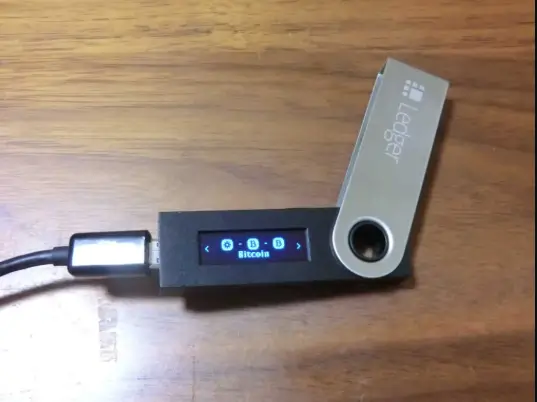
A cold wallet stores private keys offline, isolating them from online threats. Keys reside on air-gapped devices or secure environments, with offline signing of transactions. Access is restricted, backups are encrypted, and firmware is verified before use. The approach trades convenience for resilience, requiring careful setup and maintenance. The balance between security and usability invites closer examination of practical implementations and risk management. This leaves the crucial question open: how should one choose the right cold-wallet solution for specific needs?
Why You Might Want a Cold Wallet (and When It Matters)
For individuals holding sizable cryptocurrency positions, a cold wallet offers a tangible security advantage by isolating private keys from online threats.
The rationale centers on reduced exposure to remote breaches and phishing vectors, balancing privacy tradeoffs against operational practicality.
Consider hardware compatibility, as supported devices affect recovery, maintenance, and interoperability with wallets, exchanges, and multisignature setups.
Cold-Wallet Basics: How Keys, Devices, and Offline Security Work
Cold wallets secure cryptocurrency by keeping private keys on isolated, offline hardware or software environments, preventing online access and reducing exposure to remote exploits. In essence, a cold wallet isolates key material, establishing robust offline security.
Keys remain non-custodial, accessible only through secure, user-controlled interfaces. Device integrity, firmware authenticity, and encrypted backups reinforce trust, enabling freedom through controlled, verifiable cold storage.
cold wallet, offline security.
See also: The Benefits of Automation in Modern Workplaces
Pros, Cons, and Who Should Use a Cold Wallet
A cold wallet offers a trade-off between security and convenience: it minimizes online exposure by keeping private keys offline, at the cost of increased operational steps for transactions.
Pros include enhanced threat resistance and durable cold storage resilience; cons involve slower access and recovery complexity.
Suitable for long-term holds; suitable audiences valuing freedom may prefer hardware wallets and cold storage deployments.
Practical Setup: A Step-by-Step, Secure Usage Checklist
To implement a secure cold-wallet workflow, practitioners follow a defined, step-by-step checklist that minimizes exposure and ensures recoverability.
The procedure emphasizes offline storage, offline signing, and physical isolation of devices. Seed phrases must be generated offline, stored in encrypted form, and never exposed digitally. Verification, regular audits, and redundancy ensure resilience while preserving autonomy and user sovereignty.
Conclusion
In the quiet vault of air, a cold wallet stands as a sealed lighthouse, its keys anchored to granite. The offline harbor keeps storms at bay while signed tokens drift ashore through guarded channels. It is a patient cipher, waiting for the momentary wave of a transaction to be carried by a trusted courier. Security, like a silent anchor, holds firm when the digital seas rage, ensuring the owner’s ship remains unbreached and true.